Cessna Nose Gear Strut Assembly: Front Landing Gear Maintenance Solution
Cessna Nose Gear Strut Assembly: Front Landing Gear Maintenance Solution
Blog Article
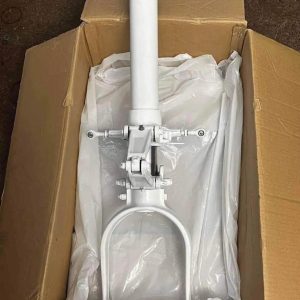
The Cessna Nose Gear Strut Assembly should be selected only after confirming the aircraft model, serial-number range, mounting arrangement, dimensions, included hardware, inspection history, and technical documentation.
The Cessna Nose Landing Gear Strut, Cessna Nose Gear Assembly, Cessna Landing Gear Strut, and Cessna Nose Strut descriptions identify closely related searches for the aircraft’s forward landing-gear structure.
Clear descriptions help buyers determine whether the listing includes a complete assembly, partial strut, housing, piston, fork, or related hardware.
A Cessna Nose Gear Shock Absorber may use fluid, gas pressure, mechanical movement, or another model-specific arrangement to manage landing and taxi loads.
A Cessna Steering Strut Assembly may interact with steering rods, collars, torque links, springs, stops, bushings, and model-specific linkage components.
Key Details of an Aircraft Nose Strut
Every dash number, suffix, revision, modification, check here and subcomponent marking should be recorded because similar-looking Cessna nose gear assemblies may not be interchangeable.
Missing components can significantly affect total project cost and installation planning.
Understanding Ground Loads on the Front Gear
Actual load distribution depends on aircraft weight, center of gravity, tire pressure, landing technique, surface condition, and aircraft configuration.
Repeated hard landings, runway excursions, towing incidents, shimmy, improper servicing, corrosion, and maintenance errors can affect both the strut and nearby structure.
Evaluating Strut Extension and Movement
The exact method may involve hydraulic fluid, compressed gas, seals, metering features, mechanical components, or a combination determined by the aircraft design.
Servicing values should come from applicable maintenance information rather than estimates based on another Cessna model.
Nose Wheel Steering and Directional Control
Correct geometry supports more consistent taxi and landing-roll control.
The buyer should inspect torque links, attachment bolts, bushings, bearings, and pivot points for looseness or wear.
Selecting the Correct Replacement Nose Gear
Compatibility depends on the exact Cessna model, aircraft serial-number range, landing-gear configuration, part number, modification status, wheel arrangement, steering system, and surrounding structure.
Supplemental modifications, replacement forks, wheel conversions, tire changes, steering alterations, and airframe repairs can affect compatibility.
Inspecting for Scoring, Pitting, and Wear
Detailed inspection supports reliable Aircraft Nose Gear Strut evaluation.
Qualified inspection protects the long-term value of the Cessna Landing Gear Strut.
Preventing Contamination and Seal Damage
Fluid leakage around the piston, seals, fittings, plugs, or servicing points can indicate deteriorated seals, damaged surfaces, loose components, contamination, or incorrect assembly.
Any internal maintenance should be documented with parts and procedures used.
Maintaining Protective Finishes
Landing gear components are exposed to water, runway contaminants, cleaning products, salt, dirt, chemicals, and changing environmental conditions.
Protective coatings should be checked for chips, lifting, abrasion, bubbling, poor adhesion, and incompatible refinishing.
Inspecting High-Stress Areas
The absence of obvious damage in photographs does not establish structural integrity.
Transparent impact history supports informed Cessna Front Landing Gear Assembly purchasing.
Maintaining Wheel and Tire Geometry
A complete strut listing should state whether the fork, axle, spacers, wheel, bearings, tire, and hardware are included.
Wheel bearings, seals, spacers, and retaining hardware should be evaluated separately rather than assumed serviceable because they are attached to the assembly.
Preventing Nose Gear Shimmy
Torque links and related pivot components help maintain alignment between moving portions of many nose gear strut designs.
Lubrication should follow the applicable schedule and use the appropriate product.
Shimmy, Vibration, and Uneven Tire Wear
Replacing the strut assembly alone may not correct the concern if other components remain defective.
Uneven tire wear can indicate alignment concerns, fork distortion, bearing issues, incorrect pressure, steering problems, or repeated side loading.
Checking Extension After Servicing
The strut should be serviced using clean equipment and controlled procedures.
The aircraft should be positioned and supported safely before servicing or disassembling the nose gear.
Rebuilding a Cessna Nose Gear Strut
A seal replacement or exterior repaint does not necessarily constitute a complete overhaul.
A professionally overhauled unit should remain connected with the correct part and serial information.
Cessna Front Gear Condition Review
The buyer should obtain enough information for a qualified aviation maintenance professional to evaluate the assembly.
- Compare the assembly with the receiving aircraft’s illustrated parts information, mounting points, steering system, wheel fork, axle, tire, torque links, and approved hardware.
- Confirm total time when known, removal reason, donor aircraft, overhaul history, servicing status, seal replacement, and inspection results.
- Require packaging that supports the strut and protects the piston surface, cylinder, fork, axle, steering components, fittings, identification markings, records, and loose hardware from impact, corrosion, and movement.
Protecting the Landing Gear Strut in Transit
Open ports and servicing fittings should be covered using suitable protective methods.
Pre-shipment photographs can document condition, included parts, and packaging before collection.
Maintaining Landing Gear Identification
Responsible storage preserves the future usefulness of the Cessna Nose Strut.
Organized storage supports the commercial value of General Aviation Landing Gear Parts.
Preparing for Ground-Handling Checks
Incorrect bolts, improvised spacers, damaged threads, or forced alignment should not be accepted.
Fasteners should be installed, tightened, secured, and documented according to applicable procedures.
Taxi checks should begin conservatively and should monitor shimmy, pulling, vibration, abnormal noise, leakage, and steering behavior.
Protecting Long-Term Ground Handling Reliability
Cleaning should remove dirt and contaminants without damaging seals, polished surfaces, protective coatings, or identification markings.
Pilots and operators should report steering changes, unusual compression, leakage, vibration, or tire wear promptly.
Evaluating Used Aircraft Gear Pricing
A recent professional inspection or overhaul can add value when the scope, findings, measurements, and replaced parts are documented accurately.
The lowest-priced assembly may not offer the lowest installed cost when major repairs or missing parts are discovered.
Selecting General Aviation Landing Gear Parts
When thoroughly evaluated and correctly installed, the Cessna Nose Gear Strut Assembly can become a valuable component within the aircraft’s complete landing-gear system.
Careful technical and commercial evaluation can reduce compatibility problems, missing-parts expenses, overhaul surprises, installation delays, steering concerns, and documentation issues.
Whether the product is described as a Cessna Nose Gear Shock Absorber, Cessna Landing Gear Assembly, Aircraft Landing Gear Strut, or Cessna Nose Wheel Strut, aircraft-specific compatibility remains essential.
With transparent records, protected shipping, correct steering and mounting compatibility, careful alignment, and appropriate maintenance, the Cessna nose gear can support a professional repair project.
Report this page